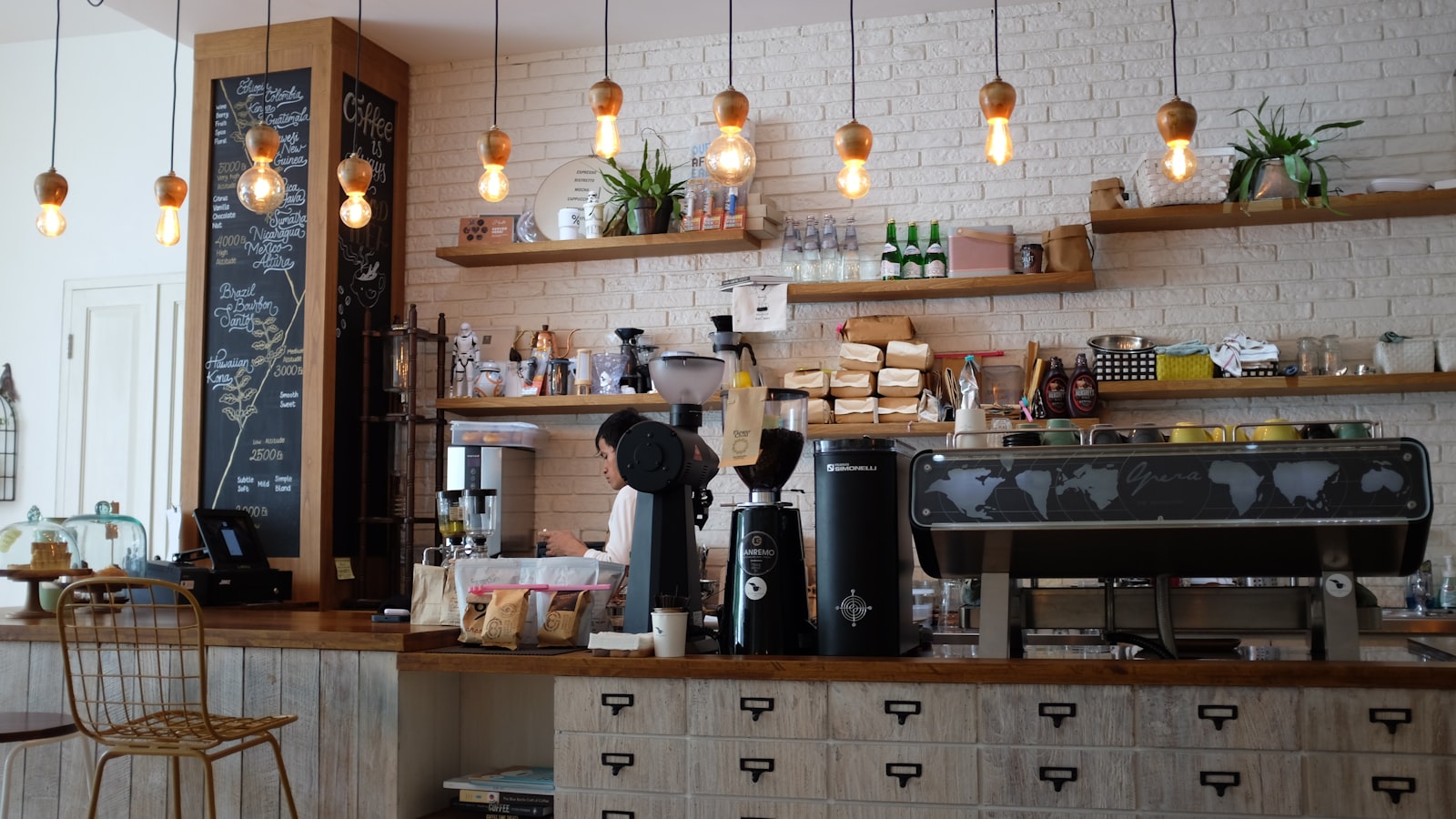
You've felt the third wave even if you've never heard the term. It's the cafe with the single-origin pour-over menu, the bag of beans listing a farm and an altitude and a tasting note that says "stone fruit," the barista who weighs your shot to the gram. Somewhere over the last couple of decades, a slice of the coffee world decided that beans deserved the kind of attention we'd long given to wine, and the ripples reached ordinary kitchens, including mine.
I'm fond of this movement and frequently annoyed by it, sometimes in the same visit. It made coffee genuinely better and occasionally insufferable. So let's look at what it actually is, what changed because of it, and how a home brewer can take the good parts without inheriting the eye-rolling.
What "waves" even means#
The "wave" framing is a tidy story people tell to explain how coffee culture shifted. The rough version goes like this. The first wave was coffee becoming a mass-market household staple, convenient and consistent but not especially good. The second wave was the rise of the cafe chain, which taught a generation about espresso drinks, lattes, and coffee as a social space and a lifestyle, even if the coffee itself was often dark and uniform.
The third wave was the pushback that said the coffee itself should be the star. Instead of hiding origin behind heavy roasting and milk, this movement wanted you to taste where a coffee came from, the way you'd taste the difference between two vineyards. It's less a formal organization than a shared attitude that spread through small roasters and independent cafes.
The core idea is simple and a little radical: coffee is an agricultural product with a place of origin, and it tastes like that place if you let it.
The craft mindset#
Once you treat coffee like a craft product, a lot follows. Roasters started buying greener, fresher, and more carefully, often paying more for quality and naming the farms they worked with. Roasting shifted lighter on average, because a gentler roast preserves the distinctive flavors of the origin rather than flattening everything into a uniform char.
Cafes followed suit. Espresso got dialed in with scales and timers. Pour-over came back as a way to showcase a single coffee. Menus started reading like wine lists, with country, region, process, and flavor notes. The bag in your hand suddenly carried real information, which is genuinely useful once you learn to read it. If those flowery descriptors still feel like a foreign language, that's worth demystifying in reading coffee tasting notes.
The result, at its best, is coffee that tastes like something specific. A washed Ethiopian that's bright and floral. A natural-process Brazilian that's heavy and chocolatey. These differences were always there in the bean. The third wave just stopped roasting them into oblivion. It also pushed the whole supply chain to care more about quality at the source, because a roaster who wants to highlight a coffee's character has to start with a coffee that has character. That ripple, from cafe back to farm, is one of the movement's quieter and more lasting effects.
What it got right#
I want to be fair, because the movement deserves credit. Several of its contributions made home brewing better for everyone:
- Freshness became a value. Roast dates on bags, smaller batches, and the expectation that coffee is perishable all trace back here.
- Information improved. You can now find out a coffee's origin, process, and roast level on most decent bags, which lets you buy with intention.
- Technique got demystified. The obsession with ratios, water, and grind produced a mountain of accessible knowledge that any beginner can tap into.
- Variety exploded. Light roasts, unusual origins, and experimental processing methods are widely available in a way they simply weren't before.
That's a real legacy. A curious beginner today can learn more in a weekend than I could find in a year when I started, and the coffee available to them is fresher and more interesting.
Where it goes wrong#
And yet. The same movement that elevated coffee also produced some of its most exhausting behavior. The pursuit of "correct" coffee can curdle into snobbery: the implication that if you take milk and sugar, or like a darker roast, or use a cheap automatic machine, you're doing it wrong. That's nonsense, and it drives people away from a drink that's supposed to be a pleasure.
There's a gatekeeping streak too. A menu written entirely in jargon, a barista who sighs at a simple order, a culture that treats expensive gear as a moral requirement. None of that makes coffee taste better. It just makes the room less welcoming. Light roasts also took on an air of superiority they don't deserve. Lighter isn't better, it's different, and the choice between light and dark roast is about taste, not virtue. Anyone who tells you there's only one right roast has confused their preference with a law.
Taking it home without the attitude#
Here's how I'd treat the third wave if you're brewing at your own counter. Take the substance, skip the status. Buy fresh beans with a roast date. Read the origin and the notes, and use them to find coffees you like. Learn a ratio and a grind so your cup is consistent. Pay a fair price for quality. All of that is the movement's genuine gift, and none of it requires you to look down on anyone.
Then ignore the rest. Drink your coffee how you like it. Add milk if you want milk. Keep your reliable old machine if it makes a cup you enjoy. Order the simple thing without apology. The point of all this care was always supposed to be a better cup, not a hierarchy of who's most serious about it. I've met plenty of people who got scared off coffee by a snooty cafe and only came back once a friend showed them that the whole thing could be relaxed and welcoming. That friendly version is the one worth spreading.
A movement worth using, not worshipping#
The third wave reframed coffee as something grown, sourced, and crafted with intention, and that reframing made the coffee in my kitchen demonstrably better. I'm grateful for the fresher beans, the honest labels, and the flood of technique that turned brewing from guesswork into something I can actually learn. That's the part worth keeping.
What's not worth keeping is the pretension that sometimes rides along with it. A great cup of coffee doesn't care how much you spent or how obscure the origin is. Use the movement's knowledge, enjoy its abundance, and let the snobbery stay in the cafe where it belongs. Coffee got better because people paid attention. It stays joyful when they don't forget to share it.