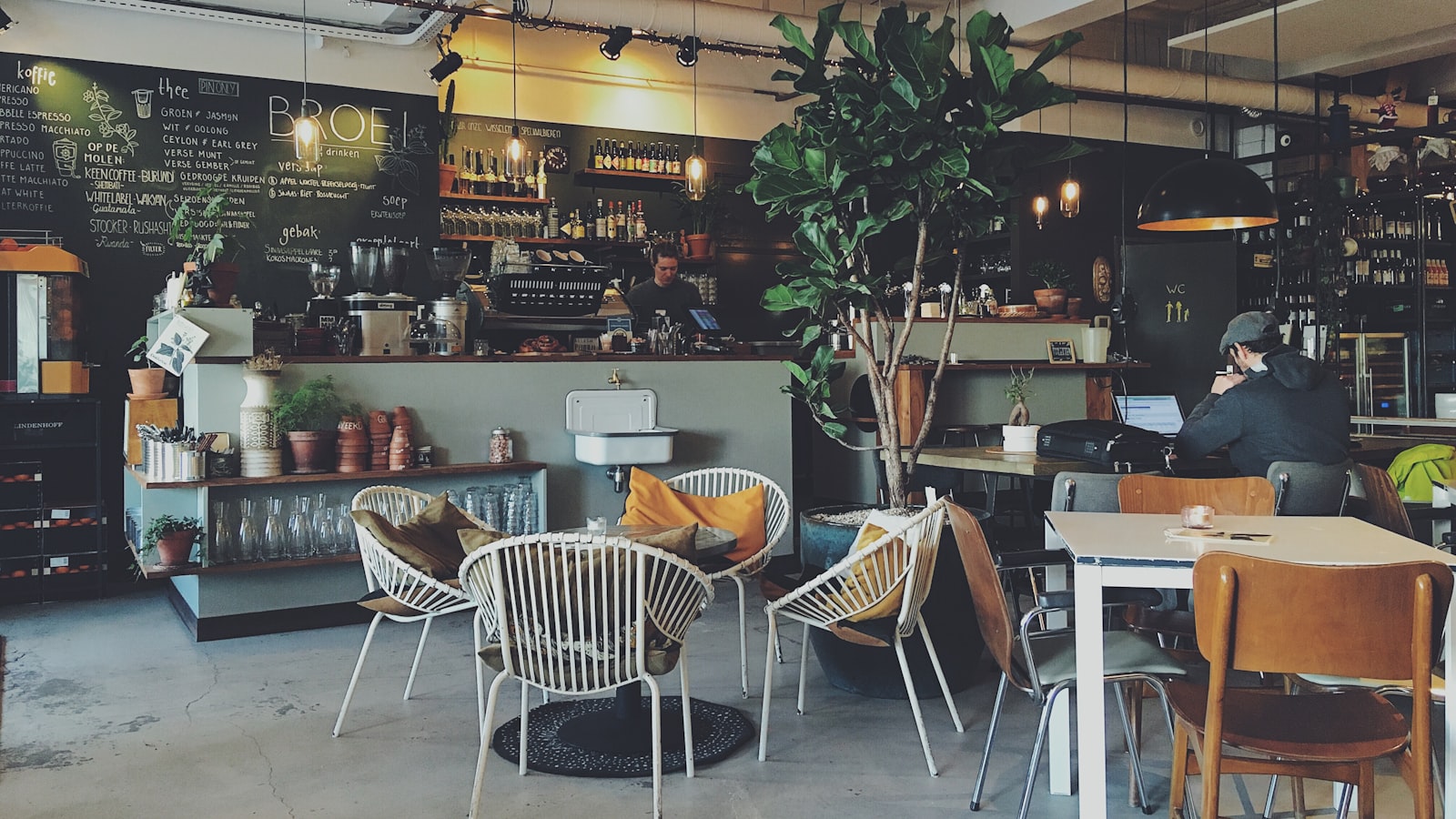
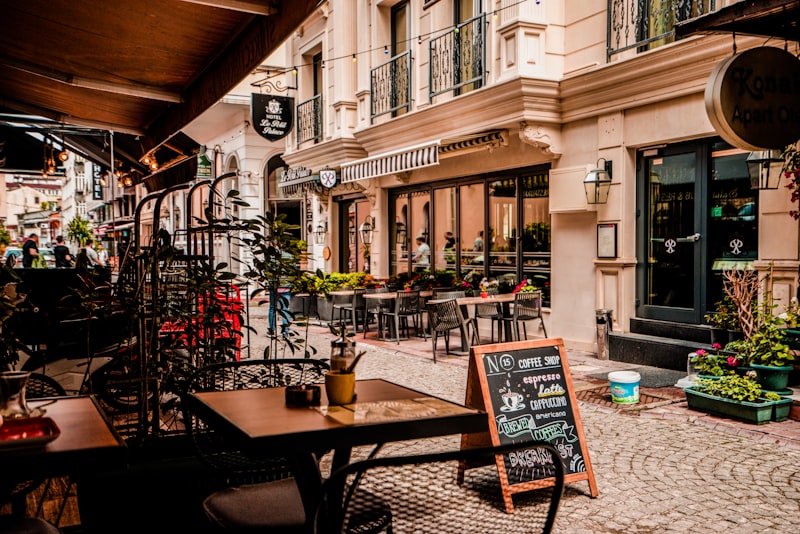
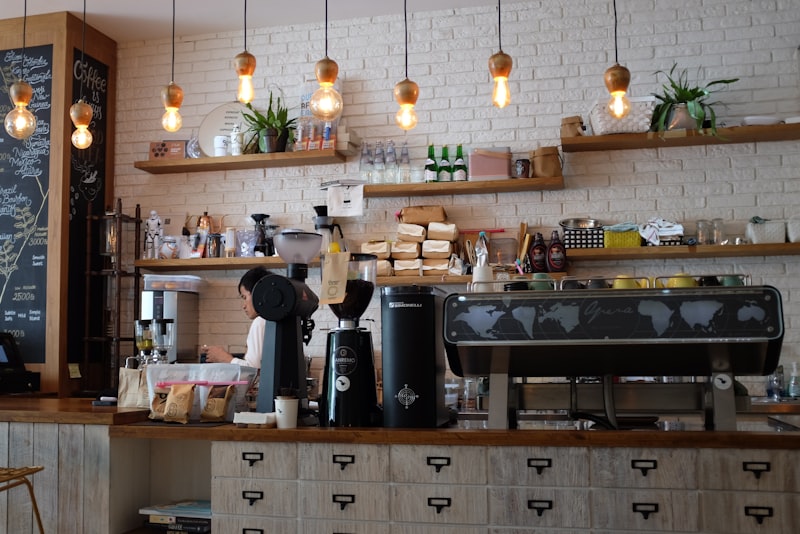
I've spent most of my working life behind a counter, handing cups across it and watching what happens next. People sit, they talk, they linger over a problem or a piece of gossip, and slowly the room fills with the low hum of a dozen conversations. None of that is new. The coffee house has been doing exactly this for centuries, and knowing where it came from changes how I see my own cafe on a busy afternoon.
The drink matters, of course. But the room matters just as much. From the very beginning, a coffee house was never only about coffee. It was about what people did once they had a cup in hand and a reason to stay a while.
A drink that needed a room#
Coffee took hold first in the Middle East, and as it spread, a particular kind of public space grew up around it. These early coffee houses gave people something cities had been short on: a place to gather that wasn't a home, a place of worship, or a market stall. You could go simply to be among others, to listen, to argue, to watch the world move past.
That was a genuinely new idea. The coffee house offered company without obligation. You weren't a guest in someone's house with all the manners that demanded, and you weren't there strictly to buy and sell. You were there to be present, with a cup as your ticket to stay. Music, storytelling, and games filled these rooms, and so did talk, endless talk.
A coffee house sells coffee, but what keeps it alive is permission to linger. Give people a reason to stay and they will fill the room with conversation you couldn't manufacture if you tried.
Crossing into Europe#
When coffee reached Europe, the coffee house came with it, and it landed in cities hungry for exactly that kind of space. The drink was novel, a little exotic, and stimulating in a way wine and ale were not. You could spend an afternoon in a coffee house and leave sharper than you arrived, not duller, which suited the business of trading news and ideas.
These European rooms quickly became more than refreshment stops. They were where you went to hear the latest news before it was printed, to find a business partner, to read aloud and be argued with. Each one drew its own crowd, and regulars came to count on running into the same faces and the same disagreements. The coffee, by most period accounts, was often rough. People came anyway, because the company was the point.
It's worth remembering that this all rode on a long trade in beans from distant places, the same web of growing regions we still pull from today. If you've ever wondered how those origins came to matter, our piece on coffee bean origins traces where the cup in your hand actually starts.
Rooms where ideas moved#
What gave coffee houses their lasting reputation was the way ideas traveled inside them. Put a mixed crowd in a room, hand everyone a stimulating drink, and remove the formality of rank as much as the era allowed, and conversation moves in directions it wouldn't in a drawing room or a court.
People of different trades and backgrounds ended up at neighboring tables. A merchant might overhear a scholar, a writer might trade barbs with a man of business, and word of a new pamphlet or a fresh scandal could cross the whole room in an afternoon. Some of these houses became so associated with particular trades or interests that going there was a way of declaring where you stood.
A few traits showed up again and again in these rooms:
- Open conversation, where a stranger could join a discussion already underway.
- A flow of news, passed by word of mouth and by whatever printed sheets were lying around.
- A mix of people who might not otherwise have shared a table.
- A reason to return, because the same minds gathered on the same days.
That combination is why coffee houses earned a name as engines of discussion. The drink kept people alert and present; the room did the rest.
Why it worried the powerful#
Wherever talk flows freely, someone in authority tends to get nervous, and coffee houses were no exception. A room full of people swapping news and opinions, outside the watch of church or state, was bound to draw suspicion. At various times and places, rulers eyed coffee houses warily and even tried to rein them in, precisely because they were so good at spreading ideas they couldn't control.
Those efforts rarely lasted. The appetite for a public place to gather was too strong, and the coffee houses reopened or simply never really closed. That stubbornness tells you something about what these rooms meant to the people who used them. They weren't a luxury to be given up easily. They were part of how a city thought out loud.
There's a lesson in that for anyone who runs a cafe today. The value of these places was never really in what they sold. It was in what they allowed: a room where people could meet as something close to equals, with a cup as the price of entry and conversation as the reward. Authorities who tried to shut that down were, in a sense, paying it the highest compliment. They understood how powerful a simple gathering place could be.
What the modern cafe inherited#
Walk into a good cafe now and you're standing in the same tradition, even if the surroundings have changed. The drink is far better than it used to be, and the etiquette is looser, but the basic offer is identical: a public room, a cup, and the freedom to stay. People still come to meet, to work, to read, to be alone among others.
Some of that older spirit has thinned out, of course. Plenty of us order to go and never sit, and a phone now carries the news that once traveled table to table. But the cafe that lets people linger, that becomes a regular's second home, is doing exactly what those first rooms did. That thread runs straight through to the community a cafe builds on its best days.
The room behind the cup#
I think about this history more than you'd expect for someone whose job is mostly pulling shots and wiping counters. It reminds me that a cafe isn't just a shop that happens to sell coffee. It's a descendant of a very old idea about what people need: somewhere to go, something warm to hold, and the simple permission to stay and talk.
The next time you settle into a corner with a cup and lose an hour to good conversation, know that you're taking part in something with deep roots. The coffee has improved beyond recognition. The reason we gather around it has barely changed at all.