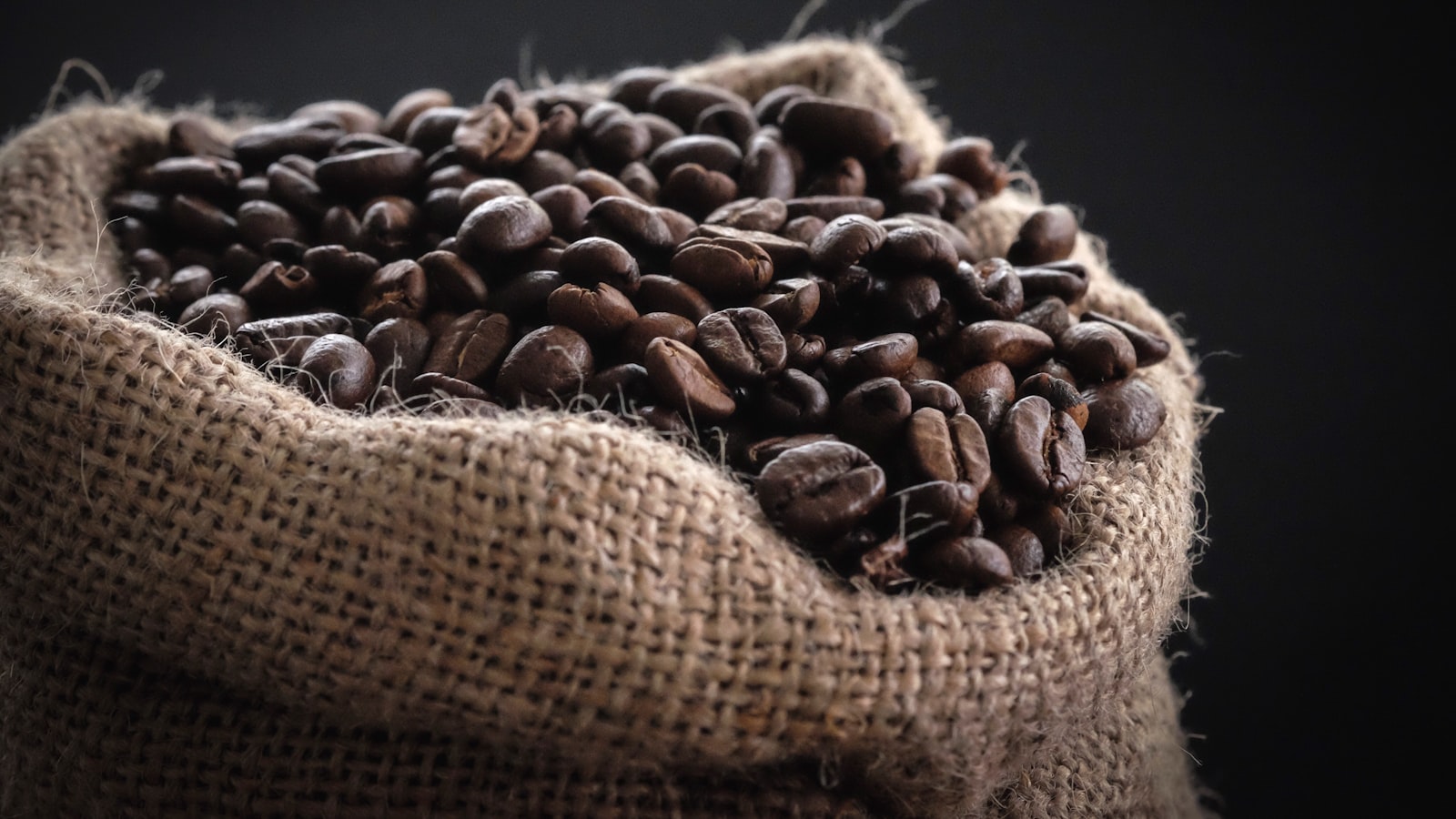
I roast a little coffee at home, which means I spend a strange amount of time staring at other people's bags in shops, turning them over, looking for the one piece of information most of them leave off. Not the flavor notes. Not the elevation. The date.
Most people buy coffee the way I used to: grab the bag with the nicest label, take it home, and quietly accept that some bags are great and some are flat, with no idea why. The why is almost always knowable, and it usually comes down to a handful of things printed on the bag, plus a few that aren't. Here is how I shop now, and what I wish someone had told me years ago.
Start with the roast date, not the flavor notes#
The single most useful thing on a bag of coffee is the roast date. Not a "best by" date stamped two years out, which tells you nothing, but an actual day the beans came out of the roaster. Coffee is at its best in roughly the first two to six weeks after roasting. Before that it can taste gassy and sharp; long after, it goes flat and cardboard-like.
If a bag only carries a "best before" date, that's a quiet signal the roaster doesn't expect you to care about freshness, which means they probably don't either. I'd rather buy from someone who prints the roast date proudly, even if it slightly limits how long I have to drink it.
A roast date is a small act of honesty. It says the seller would rather you have great coffee for a few weeks than mediocre coffee for a year.
If you want to go deeper on judging freshness once a bag is open, I've laid out the tells in how to tell if coffee is fresh. For now, just make the date the first thing you look for.
Buy whole bean, and buy what you'll finish#
Two habits will improve your coffee more than almost any gear upgrade, and both are free.
The first is buying whole beans and grinding them yourself. Ground coffee starts losing its best aromatics within minutes, and a bag of pre-ground stale faster than you'd believe. If you don't own a grinder yet, that's the upgrade I'd make before a fancier brewer, and I've written about what to look for in how to choose a coffee grinder.
The second is buying smaller amounts more often. A big bag feels like value, but if it takes you a month to get through it, the last cups won't taste like the first. Here's how I size a purchase:
- Work out roughly how much coffee you brew in a week.
- Buy about two to three weeks' worth at a time, no more.
- If you find a roaster you love, buy from them on a rhythm rather than hoarding.
A 250-gram bag that you finish fresh beats a kilo that goes stale in your cupboard, even when the kilo looks cheaper per gram. The waste isn't in the money so much as in the cups you didn't enjoy.
Read the label like a label, not an ad#
Coffee bags are covered in words, and not all of them earn their place. Here's what I actually weigh:
- Origin. A single country, region, or farm tells you the coffee has been kept separate and traceable. A vague "blend of the finest beans" usually means commodity coffee dressed up. Neither is wrong, but I want to know which I'm buying.
- Roast level. Light, medium, dark. This shapes the cup more than almost anything. If you're unsure where you sit, light vs dark roast coffee breaks down the trade-offs.
- Process. Washed, natural, honey. You don't need to memorize these, but if you've loved a bag before, noting its process helps you find more like it.
- Tasting notes. Helpful as a rough direction, not a promise. "Notes of blueberry" means the roaster tasted something in that family, not that someone added fruit.
Single origin or blend is a real fork in the road, and a good blend is a craft of its own rather than a lesser choice. If that distinction matters to you, single origin vs blend coffee is worth a read before you decide.
Match the bean to your brewer#
This is the step most buying guides skip, and it's the one that actually stops you wasting money. The "best" bag depends entirely on how you make coffee.
If you brew filter coffee, pour-over or drip, lighter and medium roasts tend to reward you. They keep the bright, distinct flavors that those methods are built to show off. If you pull espresso or use a moka pot, a medium to medium-dark roast is usually more forgiving and gives you the body and sweetness those methods need. A screaming-light espresso roast can be fussy and sour if your setup isn't dialed in.
So before you buy, ask: what am I going to brew this in? A gorgeous, delicate single origin can taste thin and disappointing through a moka pot, while a rich espresso roast can taste heavy and dull in a pour-over. The bean isn't bad in either case. It's just in the wrong machine.
When in doubt, a medium roast from a single, named origin is the safest first purchase for almost any brewer. It's the bag I hand to friends who are just starting to care.
Find a roaster you can trust#
Eventually the bag matters less than who's behind it. A good roaster is consistent, transparent, and happy to answer questions. The signs are easy to spot once you look:
- They print roast dates, not just shelf-life dates.
- They tell you where the coffee comes from in real terms.
- They roast in batches often enough that what you buy is recent.
- They'll point you toward a different bag if the one you grabbed won't suit your brewer.
You'll find these roasters online and at local shops, and you don't need to chase the trendiest name. A small, steady roaster three towns over who dates every bag will serve you better than a famous one whose coffee sat in a warehouse for months. Once you find one, the guesswork mostly disappears, because you've outsourced it to someone who cares.
Buying coffee you'll actually drink#
The goal isn't to become the person who can name a farm from a single sip. It's to stop bringing home bags that disappoint you, and to spend your money on coffee you finish while it's still good.
Look for the roast date. Buy whole beans in amounts you'll drink fresh. Read the label for origin and roast level, then match that to the brewer sitting on your counter right now. Do those few things and your average cup climbs without a single new gadget. The best bag of coffee is the one that's fresh, suited to your brewer, and bought from someone who told you the truth about it.