I roast small batches at home, which means I spend a lot of time staring at beans, sniffing them, and watching how they behave when hot water hits the bed. Freshness is the thing I notice first, before grind or ratio or any of the gear. Stale coffee can be brewed perfectly and still taste flat, while a fresh, ordinary bean often surprises you.
The good news is that you don't need my nose or a lab to judge freshness. A few honest signals will tell you where your coffee sits on its timeline, and once you can read them, you'll buy smarter and brew at the right moment instead of guessing.
Roast date beats best-by date#
The first thing to look for on a bag is a roast date. Not a best-by date, not a sell-by sticker, but the actual day the beans came out of the roaster. That number is the only one that tells you anything useful about freshness, because coffee ages from the moment it's roasted, not from the moment it lands on a shelf.
A best-by date is a guess about when the coffee will be unpleasant. It says nothing about when the coffee is at its best, which is a much smaller window. If a bag carries only a best-by stamp and no roast date, treat that as a caution. It usually means the coffee was roasted far enough back that the seller would rather you not do the math.
When a bag hides the roast date, it's often telling you the answer without saying it out loud.
This is one reason buying from a roaster who prints dates is worth the small premium. I dig into the broader buying decision in how to buy good coffee beans, but the short version is simple: a visible roast date is a sign the seller is proud of how fresh the coffee is.
What degassing actually is#
Roasting cooks a lot of carbon dioxide into the bean. After roasting, that gas slowly works its way out, a process called degassing. You can't see it happening inside the bag, but you can see its effects, and they're your best freshness clue.
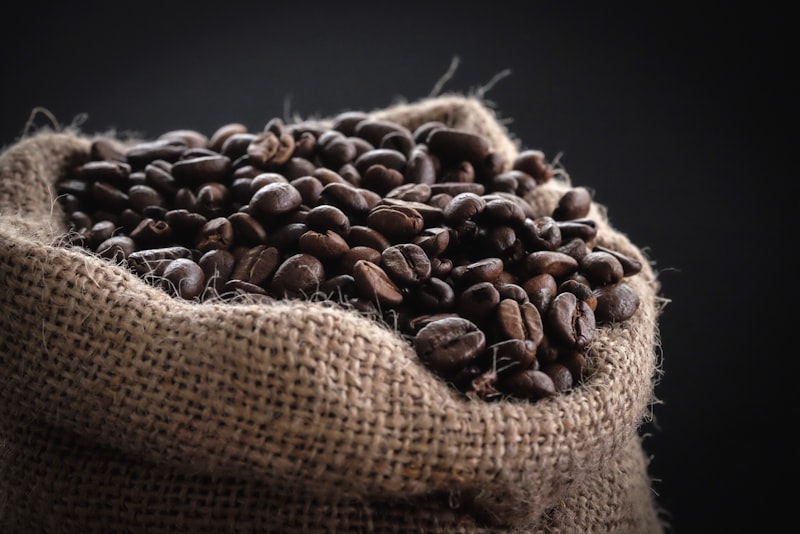
This is why good coffee bags have a small one-way valve. It lets the escaping gas out without letting fresh air in. If you press on a fresh bag of whole beans, it often feels slightly firm and may sigh a little through the valve. That puff of trapped gas is a living, working sign of a recent roast.
Degassing also explains a brewing quirk. Very fresh coffee, brewed within a day or two of roasting, can taste a little wild and uneven because all that gas is still fighting the water. Most beans settle into their best flavor a few days after roasting, once the rush of degassing calms down.
The bloom test#
The most reliable freshness check happens in the cup. When you pour hot water over fresh grounds, the bed swells and bubbles like rising dough. That rise is the trapped carbon dioxide escaping all at once, and brewers call it the bloom.
Here's how to read it:
- A tall, lively, puffy bloom usually means the coffee is fresh and full of gas.
- A modest rise with a few bubbles points to coffee that's a couple of weeks old but still fine.
- A flat bed that barely moves, or just sits there soaking, suggests the beans are past their prime.
If you want to make the most of this, pour-over and other manual methods put the bloom right in front of you. I walk through how to use it in the pour-over guide for beginners, where the bloom does double duty as both a brewing step and a freshness gauge.
There's a trade-off worth naming. Decaf and darker roasts tend to bloom a little less dramatically even when fresh, so don't panic if your dark Italian roast doesn't dome up like a light Ethiopian. Judge each coffee against its own kind.
The freshness timeline#
It helps to think of coffee as having a window rather than a switch that flips from good to bad. Roughly, here's how that window tends to run for whole beans stored well:
- Days zero to three: Heavy degassing. Drinkable, but can taste gassy and unsettled.
- Days three to fourteen: The sweet spot for most coffees. Aromas are full, flavors are clear.
- Weeks three to four: Still pleasant, slowly losing brightness and aroma.
- Beyond a month: Noticeably flatter. Not dangerous, just dull and increasingly papery.
These are general ranges, not hard rules. Lighter roasts often hold their freshness a bit longer than dark ones, because the oils in darker beans are pushed closer to the surface and go stale faster. Your storage matters enormously too, which is why I keep a separate guide on storing coffee beans.
The takeaway from this timeline isn't to obsess over the calendar. It's to buy in amounts you'll finish in two to three weeks, so you're rarely brewing at the tail end of the curve.
Using your senses#
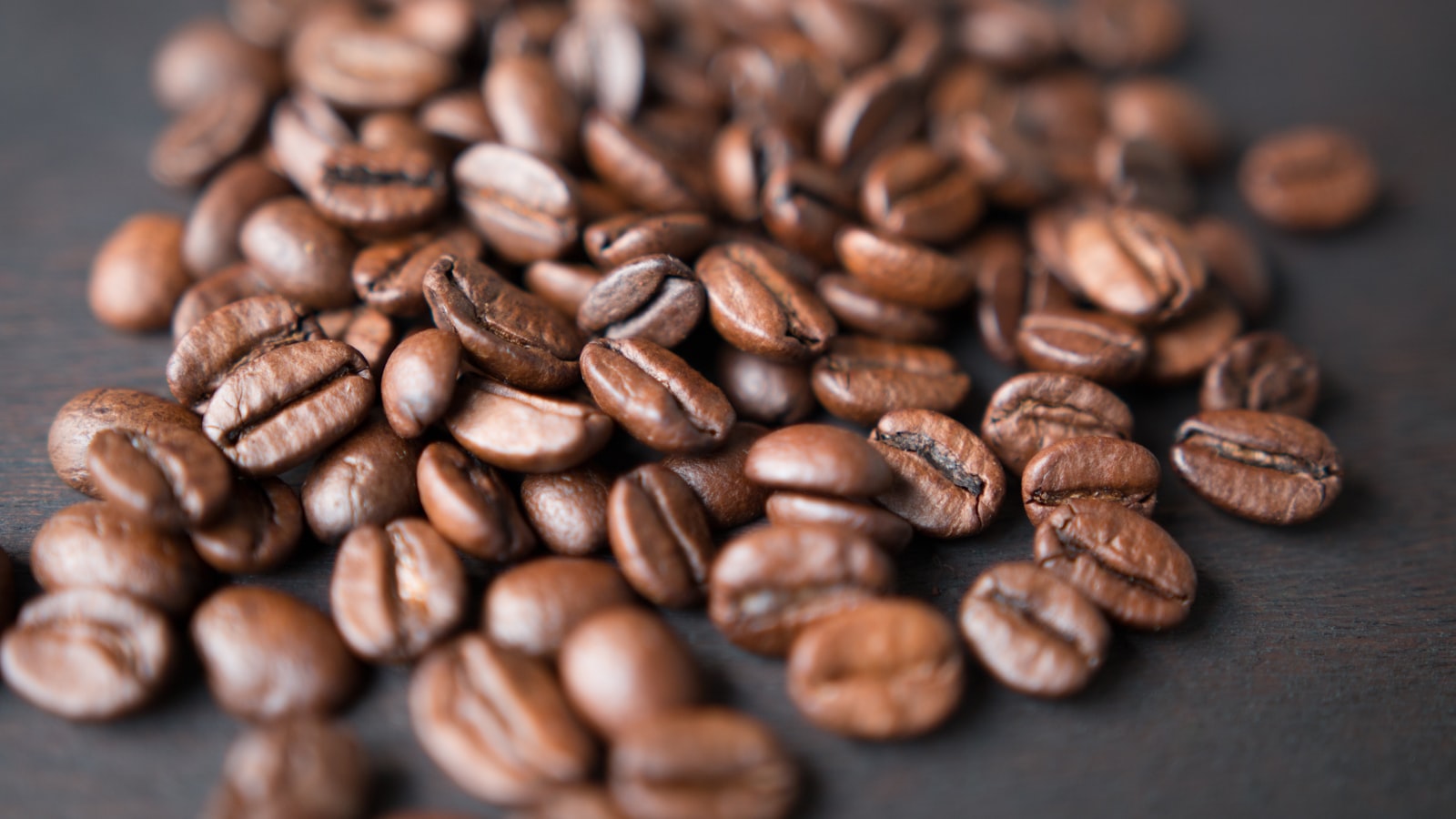
Your nose and eyes catch a lot once you know what to look for. Open the bag and take a real sniff. Fresh coffee smells sweet, deep, and aromatic, sometimes almost chocolatey or fruity depending on the bean. Stale coffee smells faint, dusty, or vaguely like cardboard. That flat, papery note is the classic tell.
Look at the beans, too. A light sheen of oil is normal on darker roasts, but if your medium or light roast looks slick and greasy, the oils have likely migrated out and started oxidizing. Beans should look dry and matte for most roast levels.
One habit changes everything here: buy whole beans and grind right before you brew. Ground coffee has vastly more surface area exposed to air, so it stales in days rather than weeks. A whole bean keeps most of its aromatics locked inside until your grinder cracks it open. If you're still grinding at the store or buying pre-ground tins, that single switch will do more for your cup than almost anything else. A decent burr grinder pays for itself fast, and I lay out the options in how to choose a coffee grinder.
Brewing within the window#
Freshness isn't about chasing a perfect day on the calendar. It's about understanding that your coffee is always moving along a curve and learning to meet it near the top. Check for a roast date, feel the bag for gas, watch the bloom, and trust your nose. Those four checks take seconds and rarely lie.
Buy what you'll drink in a couple of weeks, store it well, and grind it fresh. Do that and you'll spend far less time wondering why a cup tastes flat, because you'll have already ruled out the most common cause before the water ever touches the grounds.